
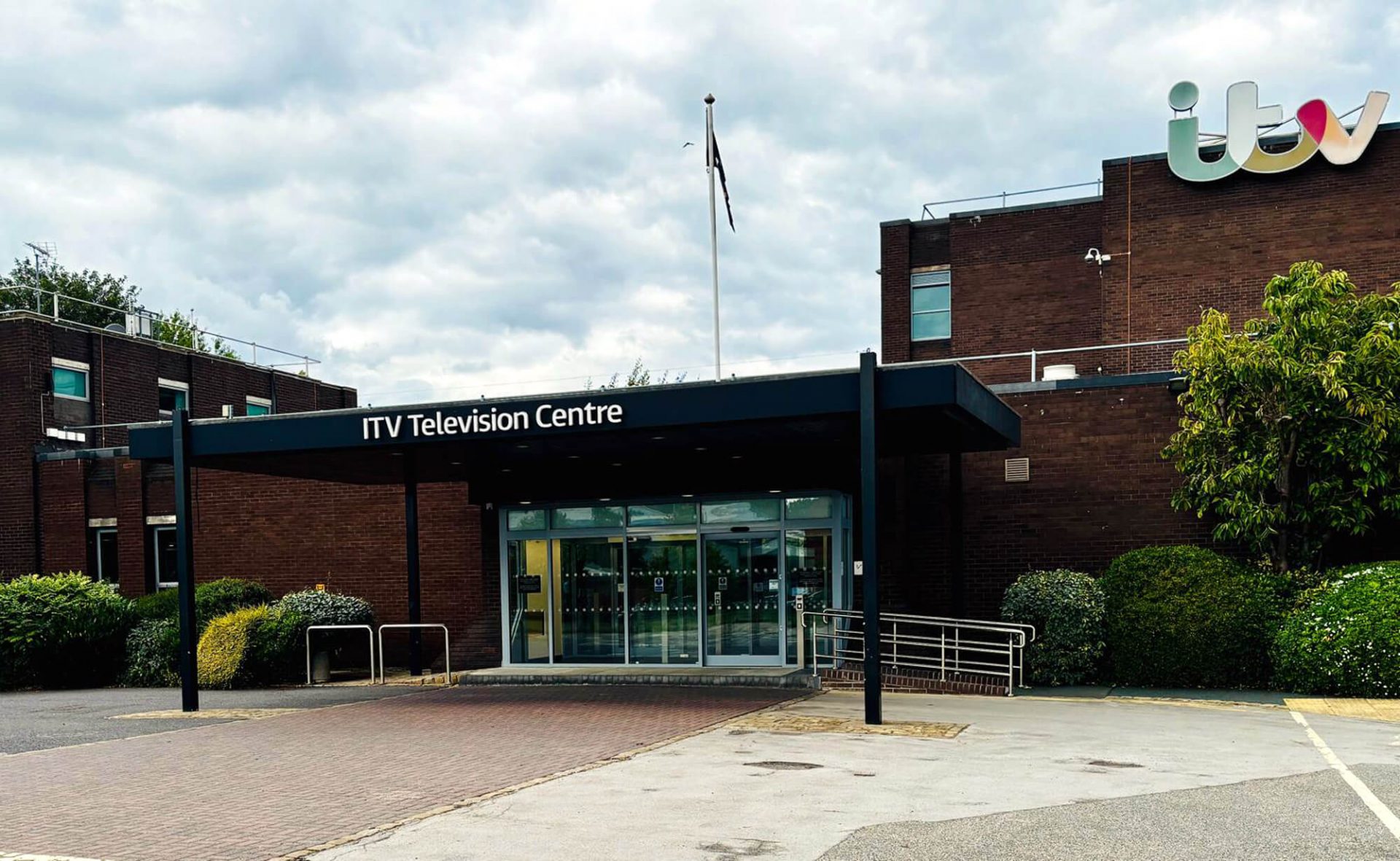
Broadcasting regulator Ofcom has come clean about the reasoning behind one of its most recent decisions, in a disclosure that could well explain – if not justify – many of its moves to relax franchise requirements over the last 10 years and why so many of the UK’s other (previously state-owned) industries are in their current state.
The openness may also offer a way to safeguard ITV’s regional news output if the expected takeover by Sky/NBC Comcast receives official approval in early July.
The revelation came in the regulator’s Statement on STV’s request to change regional programming commitments, published on June 1st. But – continuing what some critics consider Ofcom’s great collective talent for obfuscation – the details were easily missed and the implications of the candour not fully appreciated.
After providing an overview of the application by Channel 3 licence holder STV to reduce its news operation based in Aberdeen, serving the former Grampian Television north of Scotland franchise region, Ofcom presented the “legal framework” within which it operates.
On page 22 (clause A1.4) of the Statement, Ofcom sets out its “economic growth duty”, citing section 108 of the Deregulation Act 2015. (No, I didn’t know that law existed either. I was vaguely aware of some of its requirements but didn’t know where they’d come from.)
Ofcom’s Statement says it has a duty to “have regard to the desirability of promoting economic growth when exercising its regulatory functions. In order to consider the promotion of economic growth, Ofcom will exercise its regulatory functions in a way that ensures that: regulatory action is taken only when it is needed; and any action is proportionate”.
That seems reasonable enough until Clauses I and II of the Universal Law of Journalistic Scepticism are taken into account. Clause I says “follow the money” while Clause II adds “follows the footnotes” (or links to primary sources).
The next paragraph (A1.5) says: “The government’s statutory guidance on this duty recognises drivers of economic growth to include innovation, competition and efficiency and productivity.”
The relevant notes – at the bottom of page 23 – simply say:
- Section 108(2)(b) of the Deregulation Act 2015; and
- Growth Duty; Statutory Guidance under Section 110(1) of the Deregulation Act 2015.
Going to the source document, Chapter 20, clause 108, subsection 1 of the 2015 Act, requires regulators to “have regard to the desirability of promoting economic growth”
In subsection 2, the Deregulation Act continues: “In performing the duty under subsection 1, the person must, in particular, consider the importance for the promotion of economic growth of exercising the regulatory function in a way which ensures that – (a) regulatory action is taken only when needed and (b) any action taken is proportionate”; words quoted by Ofcom.
The Deregulation legislation – which mirrors the Conservative Party fetish for “light touch” (or virtually non-existent) regulation – covers matters ranging from health and safety to tenancy laws, refuse disposal and child trust funds. It also decriminalised non-payment of the BBC licence fee.
Its aim was to “make provision for the reduction of burdens resulting from legislation for businesses or other organisations or for individuals; make provision for the repeal of legislation which no longer has practical use; make provision about the exercise of regulatory functions; and for connected purposes.”
A quick online search reveals that while the trade press covered individual sections of the bill as it went through parliament, wider coverage is noticeable by its absence.
Ironically, secondary legislation updating the duty of regulators under section 110(1) of the 2015 Act came into effect on May 21st 2024, just 44 days before the Conservatives were ousted from office in the July 4th general election.
With hindsight, few if any of Ofcom’s decisions to relax broadcasting licence obligations are surprising, as a licence holder only has to claim that rejecting an application will impede economic growth. (STV strongly emphasised its financial sustainability throughout the debate about its plans to cut jobs and take its nightly Aberdeen programme off-air.)
The legal stipulations also explain why “business” has taken priority over “public service” in so many Ofcom decisions.
In late June, the NUJ reiterated its concerns about the imminent, calling on Ofcom to “protect and invest in public service broadcasting”.
Unfortunately, while the Deregulation Act 2015 remains on the statue books, Ofcom – like some many other regulators – will remain powerless. (The Competition and Markets Authority [CMA] is also bound by the Act.)
Once an application alleges that regulation will impede economic growth, the obligation to disprove it falls on regulators (who have been starved of resources and politically undermined since … 2010).
Comcast’s lawyers are unlikely to have applied to the CMA without including an “economic growth” argument. An application to Ofcom for changes to ITV’s operating licence may not be made when a takeover is announced, but it could be lodged very quickly.
If public service media is to be protected in the UK, despite the best hopes of the Department for Culture, Media and Sport in its Watch this Space green paper, it should be joining the queue waiting outside the door of the incoming Prime Minister to demand the rapid repeal of at least Section 110(1) of the 2015 Deregulation Act and the withdrawal of the Statutory Guidance issued in May 2014.